Compact, highly productive plants ideal for impossibly-happy long-lasting flowers in the garden or vase. Exceptionally long-blooming season, satiny crepe-paper-like petals and characteristic yellow-tipped white stamens that shoot up like bubbles.
While they thrive in cooler temperatures, Champagne Bubbles is a productive, hardy grower and — unlike other poppy varieties — typically blooms over a longer time period, especially if spent blooms are deadheaded (so keep cutting LOTS of blooms for the most whimsical bouquets!).
They are known to thrive in Kentucky gardens, particularly if they are happy with their location and allowed to drop seeds.
Each plant has been grown in a 5” tall pot to give it lots of rooting space.
TO GROW — Full sun, 4-6” apart, grows 12-20” tall
At the beginning of January we potted up a small poppy seedling into our special 5” tall “band” pot in our cool greenhouse to grow into blooming size plants — the perfect size to transplant directly into your garden or patio containers (see my photo, where I planted 12 white and pink Champagne Bubbles surrounding 3 pots of Italian Colibri poppies into a large 24” patio container).
NOTE: Once days/nights turn very warm, the plants will fade. They’ll typically reseed in your flower beds to bloom again (and perhaps even in the fall) if you let some of the flowers turn into seed pods. Once the pods are brown and dry out, they will disperse their seeds … meaning your poppies will return from their own dropped seeds. (Don’t use PREEN in those garden beds or the seeds won’t germinate.)
FOR LONGEST-LASTING CUT FLOWERS
Harvesting — Choose stems where the bud is just starting to crack open and show color. Cut the stem to the length you’d like to use in your arrangement. If the outer green casing on the bud is stuck, gently peal it back to help the flower open.
Sear the stems — To prevent poppy’s milky sap from clogging the stem, immediately after cutting, sear the bottom 1-2” in boiling water for 7-10 seconds OR (what I like to do) use a lighter or candle to burn the bottom of the stem.
Move them to cool water — Immediately place the stems into a few inches of cool, clean water — ideally with flower food added — and let them rest in a cool, dark place for several hours to fully hydrate before arranging.
FULFILLMENT OPTIONS
Delivery — April 23 to Lexington and nearby communities
Pickup — Saturday, April 25, noon - 2 p.m. at Boggs Cottage, 3808 Combs Ferry Road
Compact, highly productive plants ideal for impossibly-happy long-lasting flowers in the garden or vase. Exceptionally long-blooming season, satiny crepe-paper-like petals and characteristic yellow-tipped white stamens that shoot up like bubbles.
While they thrive in cooler temperatures, Champagne Bubbles is a productive, hardy grower and — unlike other poppy varieties — typically blooms over a longer time period, especially if spent blooms are deadheaded (so keep cutting LOTS of blooms for the most whimsical bouquets!).
They are known to thrive in Kentucky gardens, particularly if they are happy with their location and allowed to drop seeds.
Each plant has been grown in a 5” tall pot to give it lots of rooting space.
TO GROW — Full sun, 4-6” apart, grows 12-20” tall
At the beginning of January we potted up a small poppy seedling into our special 5” tall “band” pot in our cool greenhouse to grow into blooming size plants — the perfect size to transplant directly into your garden or patio containers (see my photo, where I planted 12 white and pink Champagne Bubbles surrounding 3 pots of Italian Colibri poppies into a large 24” patio container).
NOTE: Once days/nights turn very warm, the plants will fade. They’ll typically reseed in your flower beds to bloom again (and perhaps even in the fall) if you let some of the flowers turn into seed pods. Once the pods are brown and dry out, they will disperse their seeds … meaning your poppies will return from their own dropped seeds. (Don’t use PREEN in those garden beds or the seeds won’t germinate.)
FOR LONGEST-LASTING CUT FLOWERS
Harvesting — Choose stems where the bud is just starting to crack open and show color. Cut the stem to the length you’d like to use in your arrangement. If the outer green casing on the bud is stuck, gently peal it back to help the flower open.
Sear the stems — To prevent poppy’s milky sap from clogging the stem, immediately after cutting, sear the bottom 1-2” in boiling water for 7-10 seconds OR (what I like to do) use a lighter or candle to burn the bottom of the stem.
Move them to cool water — Immediately place the stems into a few inches of cool, clean water — ideally with flower food added — and let them rest in a cool, dark place for several hours to fully hydrate before arranging.
FULFILLMENT OPTIONS
Delivery — April 23 to Lexington and nearby communities
Pickup — Saturday, April 25, noon - 2 p.m. at Boggs Cottage, 3808 Combs Ferry Road

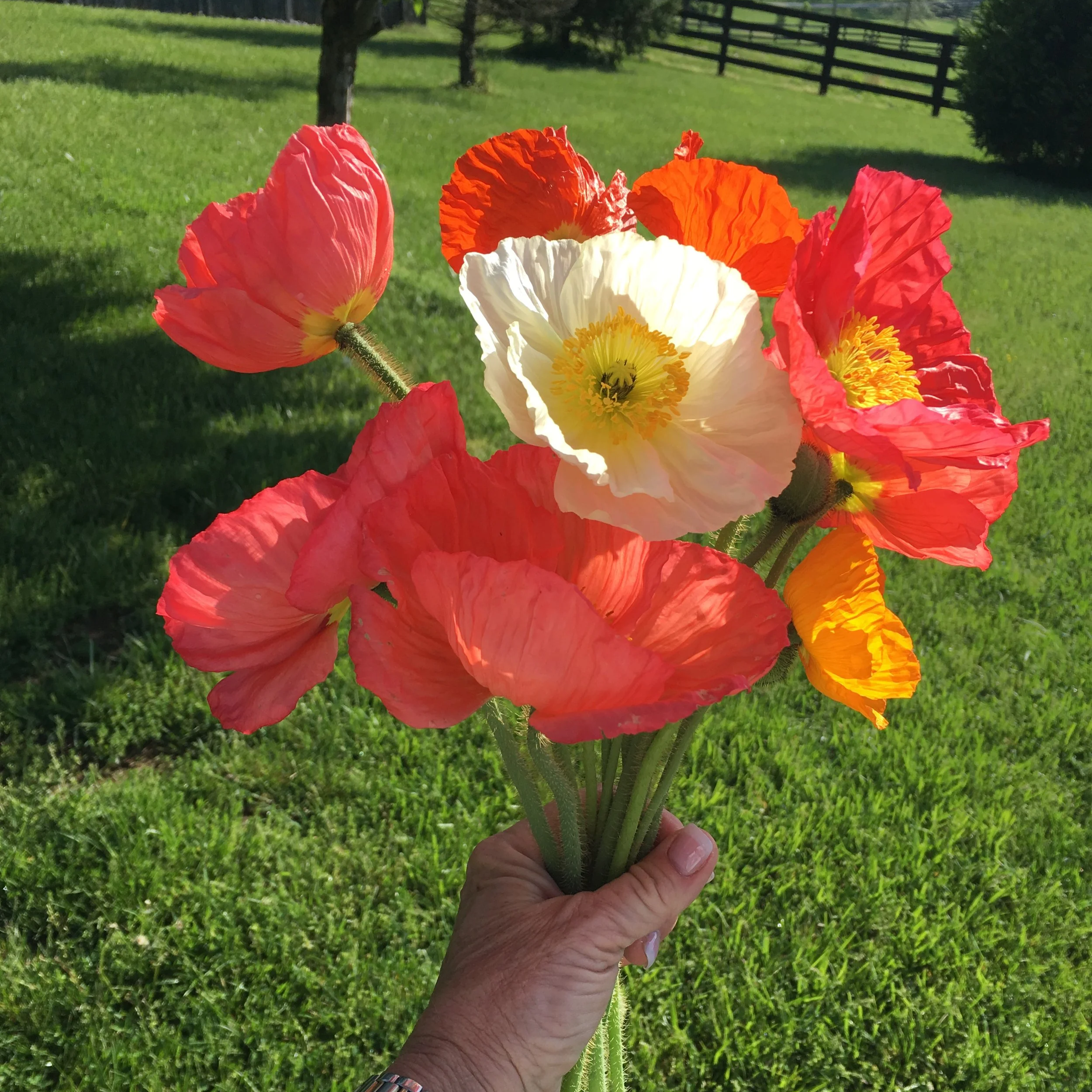 Image 1 of 6
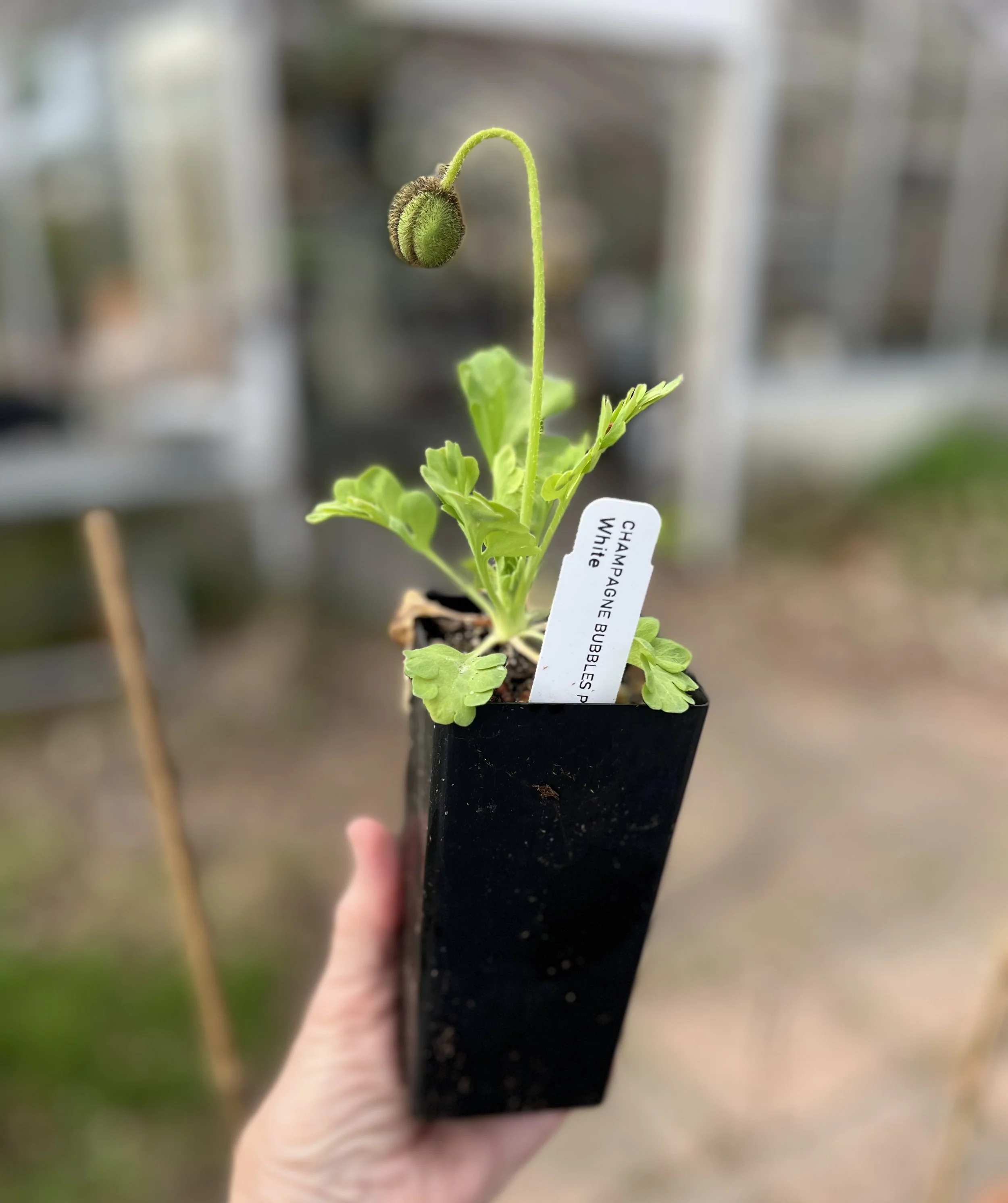 Image 2 of 6
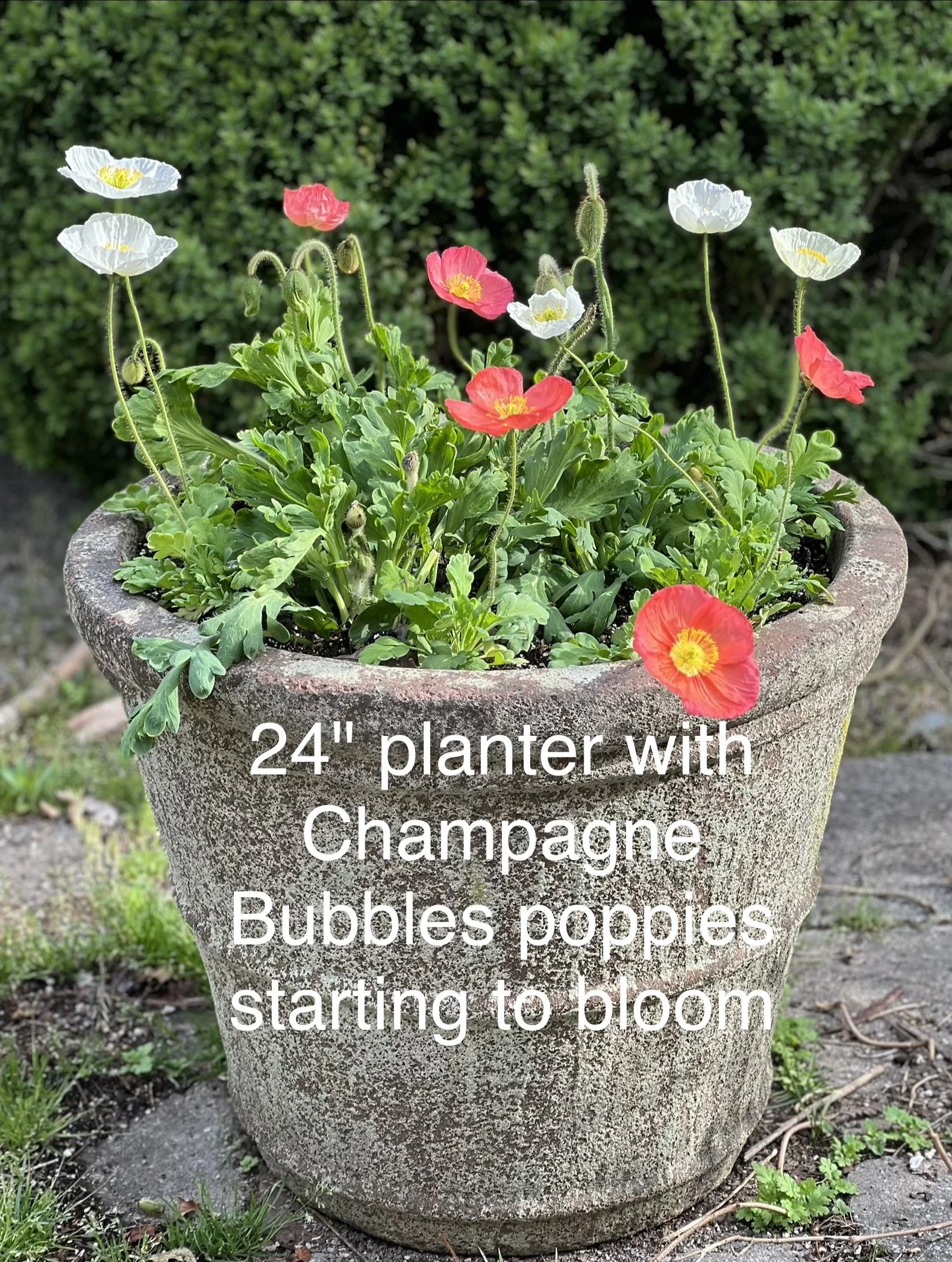 Image 3 of 6
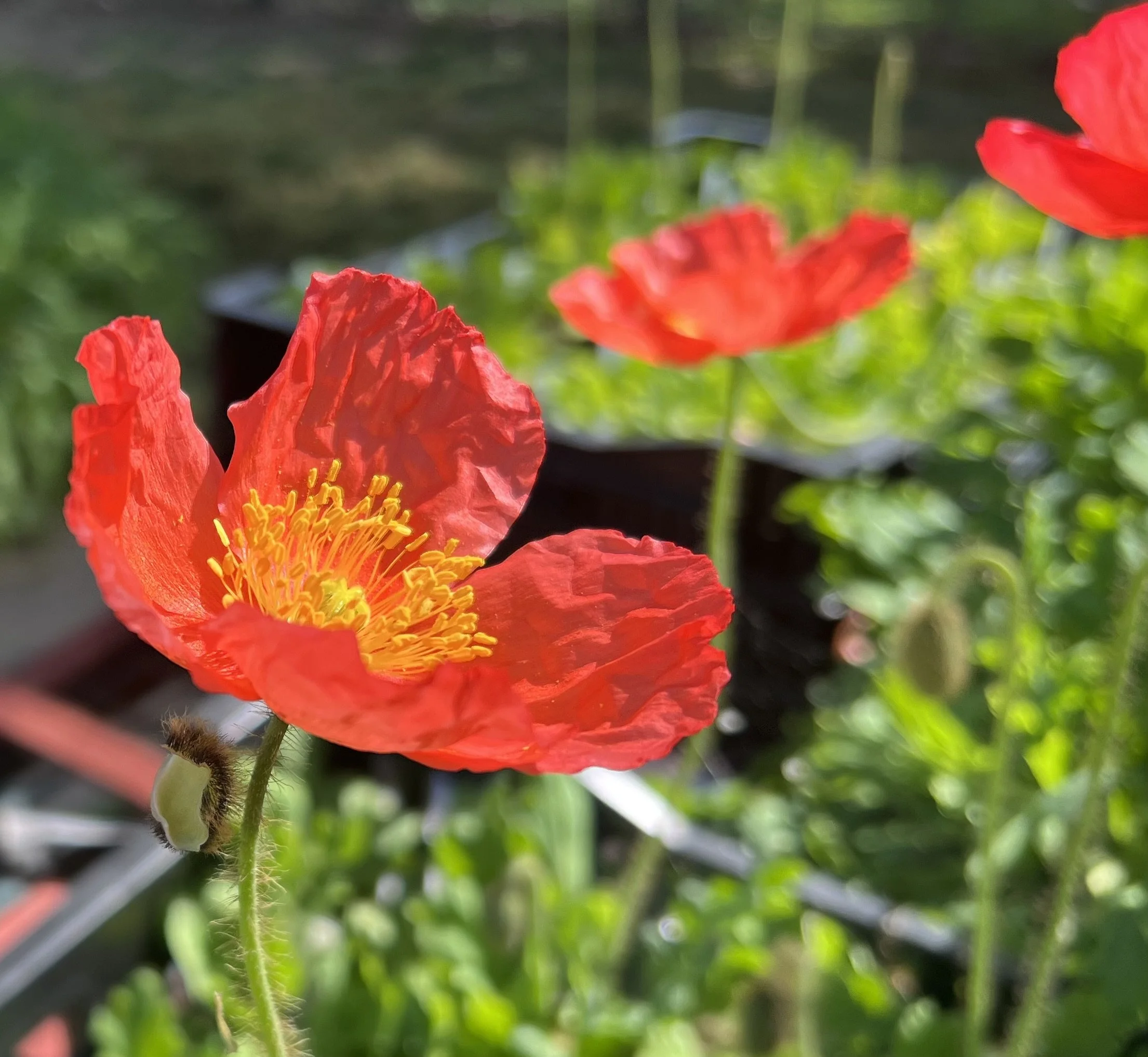 Image 4 of 6
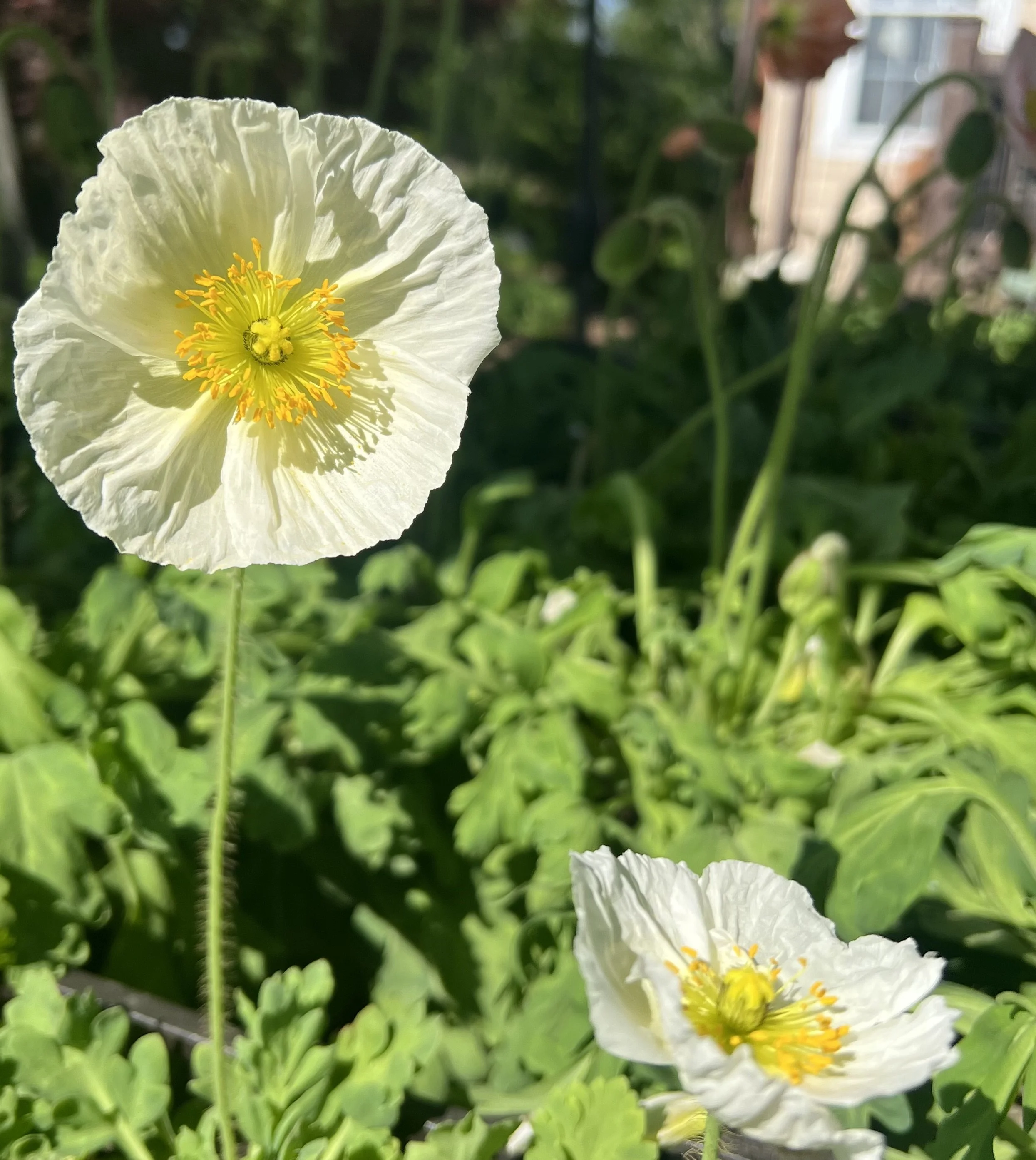 Image 5 of 6
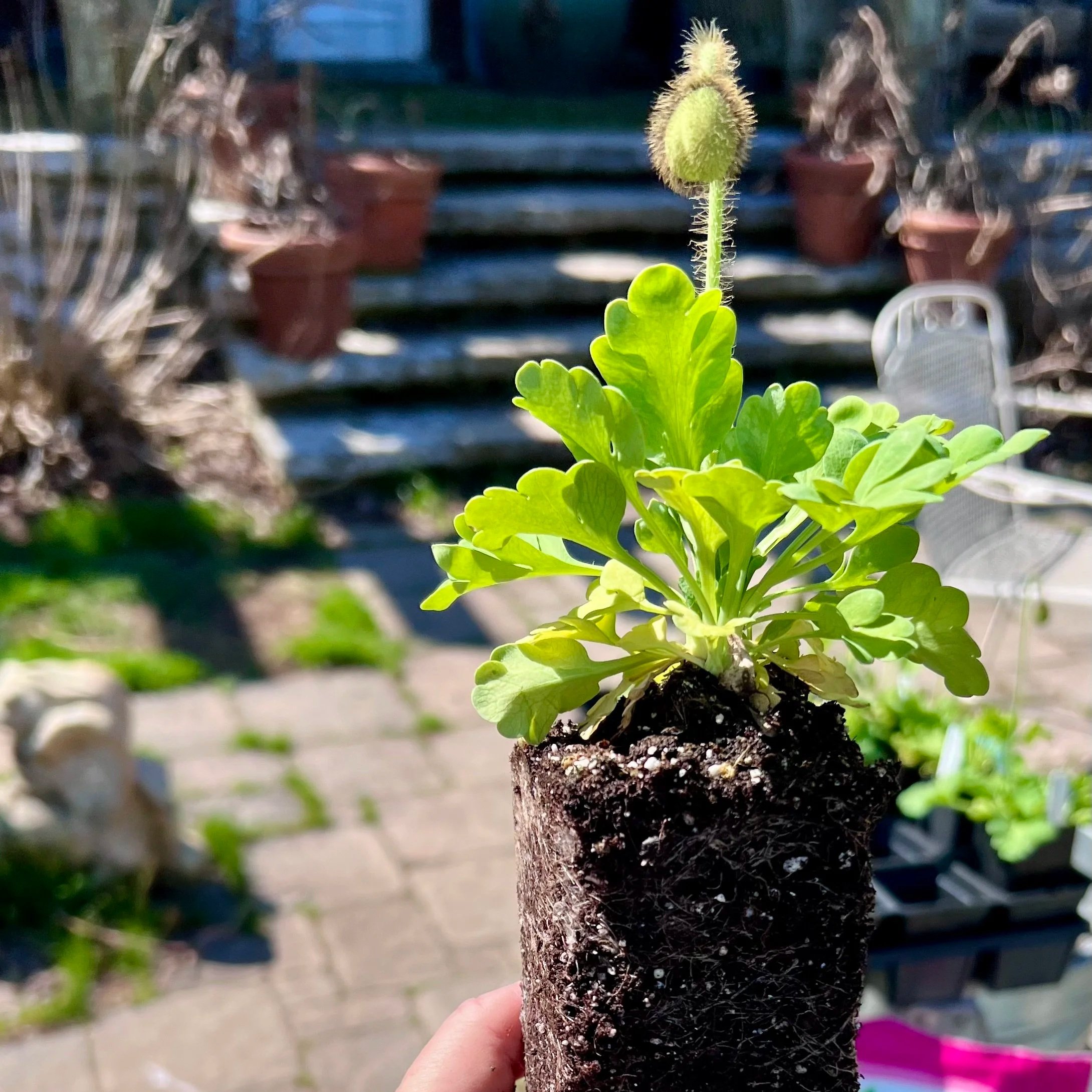 Image 6 of 6